What Is Ice Damming In NJ?
Ice damming in NJ, also known as ‘ice dams,’ occurs when ice builds up along the lower edge of a sloped roof. It’s common with heated homes in cold, snowy climates. Or, as is the case in NJ these days, that rare occasion when it gets really cold. The ice built on the edge of the roof acts like a literal dam, blocking melting snow (that has turned to water) from rolling off the roof or into gutters, the way it normally would. When this buildup freezes, it can trap that rolling water behind it, restrict any drainage, and increase the risk of leaks into the home during the freeze-and-thaw cycles.
All of the recent heavy snowstorm activity, followed by freezing temperatures, across New Jersey is certainly causing this ‘ice damming’ up along roof edges and eaves. And this is not related to roof installations or a random roof condition; it can occur on any roof type, including flat and pitched roofs, regardless of material. This is a NJ weather-related issue that can affect both new and older roofs.
Why Do Ice Dams Form in NJ?
Heat from inside an NJ home can find its way into the attic. This happens as a result of
- poor house to attic sealing (e.g., allows too much heat to reach the roof),
- poor attic insulation (e.g., allows too much heat to reach the roof),
- poor attic ventilation (e.g., traps warm air instead of keeping the roof cold and uniform),
- air leaks around lights,
- air leaks through vents, and
- air coming through chimneys,
- etc.
That heat can then warm the roof unevenly, maybe to its middle and/or upper areas, causing the snow above to melt. Melt, or water, then runs down toward the colder below-freezing overhangs, which are never heated by the house. As it reaches that cold edge or overhang, it refreezes and builds up layers that can become a thick ice ridge or ‘ice dam.’ As more meltwater runs down, it backs up behind the ice ridge, it pools, and it begins to find its way under shingles, through seams, and/or into the NJ home’s roof structure.
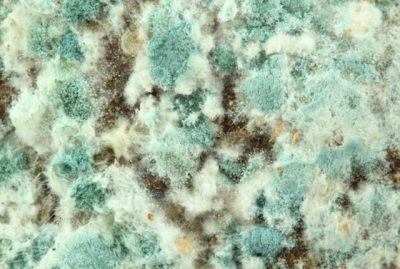
In time, trapped water can leak into the home, damaging insulation, walls, ceilings, and, as a result, lead towards structural or even MOLD-related issues.
What Can Be Done To Prevent Ice Damming For My NJ Home?
Easier said than done, what is most important is to have an entire roof surface remain a uniform cold temperature all the way down to its eaves or edges. How to do it may include:
- looking into an ice/water shield or a waterproof membrane under shingles, particularly along eaves when repairing or replacing roofing materials,
- getting better attic insulation, high R-value or R-49+ in colder climates,
- improving the ventilation, including soffit vents and/or ridge vents that circulate cold air, and
- sealing any air leaks from the house into the attic spaces.
A shorter-term fix, for when the snow and ice dams are already there, is to remove the snow from the roof. Careful, you want to avoid any damage to the roof in these rough conditions. And if you have been, or are going through ‘Ice Damming’ and feel that you may need to inspect or test for MOLD, give Mold Testing NJ-NY a call at (201) 658-8881.